
China Fitness Trade Expo: 4-Step U.S. Gym Matchmaking Plan
China Fitness Trade Expo Application Guide: A 4-Step Matchmaking Plan for U.S. Gym Operators
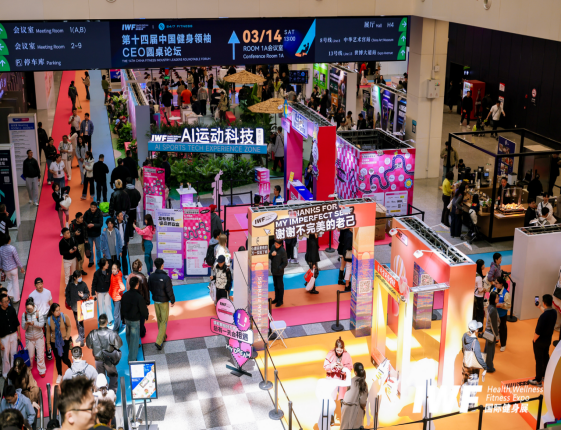
A U.S. gym operator sourcing from China usually does not lack options. The difficult part is creating a supplier shortlist that can be compared on the same terms, in the same place, within a realistic travel window. This China Fitness Trade Expo application guide maps the Expo + Platform Matchmaking Methodology (Market-to-Match) v2.0 to a four-step sourcing plan for gym-operations buyers and purchasers. The plan covers market research and target mapping, pre-show exhibitor recruitment and buyer invitation with online pre-matching, on-site matchmaking, and post-show follow-up. It is a way to organize discovery and first-round comparison. It is not a replacement for supplier due diligence.
Why a U.S. Buyer Needs a Plan Before the Plane Ticket
The sourcing problem starts with geography. A U.S. gym operator may need commercial cardio, strength, functional training, smart fitness or rehabilitation equipment from different Chinese factories. Those factories are often spread across several provinces. Visiting each one in person can require multiple domestic flights, rail trips, hotel nights and translation support. For a buyer trying to compare samples, the process is slow before the first commercial term is even discussed.
The challenge is not only travel cost. It is the quality of the comparison. When each factory visit happens on a different day, with a different sales team and a different product demonstration, the buyer can lose the common basis for evaluation. The problem is compounded by limited comparison samples and by the difficulty of identifying qualified domestic distributors, agents and target products. Root causes include an information vacuum about the Chinese supplier market, a lack of local networks and professional circles, and the practical burden of visa planning and widely dispersed factory locations.
For a gym operator, this creates a decision risk. A low price from one factory may look attractive in isolation, but it says little about delivery reliability, replacement-part support, documentation or the supplier's ability to handle a commercial gym project. The buyer needs a controlled setting where several suppliers answer the same questions, show comparable products and leave a record that can support the next round.
What the China Fitness Trade Expo Changes for a U.S. Buyer
The China Fitness Trade Expo is organized by Shanghai Donnor Exhibition Service Co., Ltd, an exhibition organizer founded in Wenzhou, Zhejiang in 1996. The company reports annual exhibition space exceeding 700,000 square meters and a portfolio of more than 30 trade and consumer exhibitions. Those facts describe the organizer's exhibition scale. They do not independently verify the capability of any individual equipment supplier.
China remains a major origin for fitness equipment. OEC trade data reports that China exported USD 9.88 billion of gym and athletics equipment in 2025. That category-level figure shows why a China sourcing plan can be relevant for a commercial gym equipment buyer. It does not tell a buyer which supplier is suitable for a particular gym project.
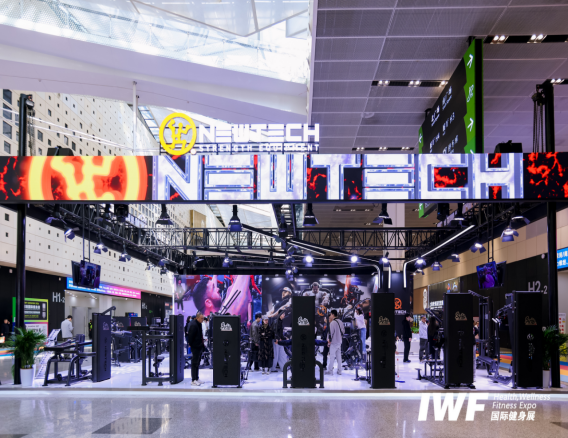
The 2026 Shanghai edition, as reported by the organizer, brought together more than 1,000 brands and nearly 65,000 visitors. The organizer-described scope included commercial fitness equipment, sports leisure goods, cross-border e-commerce solutions, AI smart fitness, rehabilitation training systems, nutritional health products and pool equipment and facilities. These are organizer-reported event figures, not an independent audit. They are useful for understanding the exhibition's scope: a buyer can encounter several relevant categories in one Asia-focused fitness trade expo, including rehabilitation fitness equipment and smart fitness equipment, without treating the event as a ranking of suppliers.
The 4-Step Matchmaking Plan at a Glance
The application guide uses a four-step loop: market research and target mapping; pre-show exhibitor recruitment and buyer invitation with online pre-matching; on-site matchmaking and efficient negotiations; and post-show data tracking and conversion support. Each step produces an input for the next. The target map defines who the buyer needs to meet. Pre-registration and appointment scheduling turn that list into a timetable. On-site matchmaking turns the timetable into comparable meetings. Post-show follow-up turns the meetings into a documented shortlist and a set of next actions.
Working principle: do not measure the expo by how many booths you can walk past. Measure it by how many qualified meetings you can complete, document and compare within the travel window.
Step 1: Turn Gym Requirements into a Supplier Map
The first step is market research and target mapping. For a U.S. gym operator, this should begin with the operating plan rather than a supplier list. Define the equipment categories needed, the gym format, the buyer's must-have criteria and the questions that must be answered before a sample can be approved. The output is a target map: which product categories to review, which supplier types to meet and what evidence each meeting should produce.
A useful target map separates product questions from commercial questions. Product questions may cover configuration, dimensions, construction, user profile and available documentation. Commercial questions may cover minimum order discussions, sample arrangements, delivery planning, payment terms and after-sales responsibilities. The exact answers must come from each supplier. The buyer's job at this stage is to make the questions consistent, so that later meetings can be compared rather than merely remembered.
This is also where a gym operator decides whether the project is a fit for expo matchmaking. A clear equipment list and an active evaluation window make the four-step plan more useful. A vague intention to look around the market is weaker. The China Fitness Trade Expo can concentrate suppliers, but it cannot replace the buyer's own specification work.
Step 2: Use Pre-Show Matching to Build Meeting Density
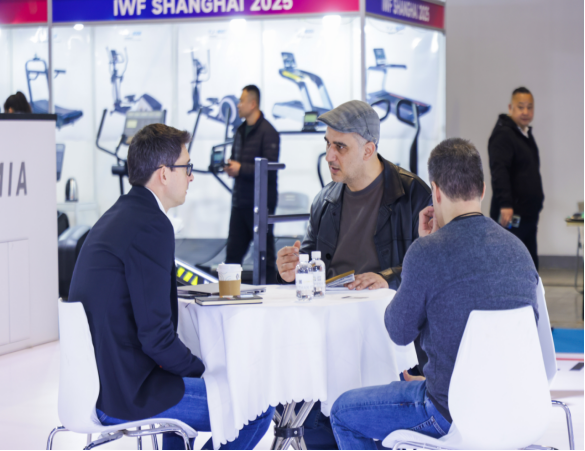
The second step is pre-show exhibitor recruitment and buyer invitation with online pre-matching. In the documented methodology, the organizer recruits exhibitors, designs exhibition zones, invites domestic and international buyers, manages pre-registration and supports online appointment and meeting scheduling. The buyer's role is to supply a clear profile and a meeting objective early enough for the organizer to match it against the exhibitor base.
This is where meeting density is created. Meeting density is not the number of people on the floor. It is the number of relevant meetings a buyer can hold per travel day. Pre-registration gives the organizer information about the buyer's category interests and decision stage. Appointment scheduling then reserves time with selected suppliers. Without this step, the buyer arrives with a badge and a floor plan. With this step, the buyer arrives with a timetable.
The buyer should review the proposed schedule before travel and correct obvious mismatches. If the gym project needs commercial strength equipment, a meeting with a sports nutrition supplier may be useful only if the operator also runs that category. If the project includes rehabilitation fitness equipment or AI smart fitness, those meetings should be placed deliberately rather than left to chance. Pre-show matching is a filtering layer, not a guarantee that every proposed supplier will be a fit.
Step 3: Convert the Timetable into Comparable On-Site Meetings
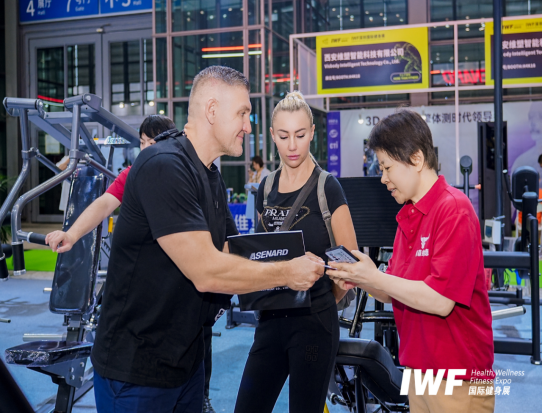
The third step is on-site matchmaking and efficient negotiations. The documented service organizes targeted B2B matchmaking sessions during the IWF exhibition and gathers fitness equipment manufacturers in one venue. The on-site matchmaking coordination service helps keep meetings moving. For the buyer, the value depends on discipline: run the same question set in every meeting, record the answers immediately and separate supplier claims from documents the supplier can provide.
A practical meeting routine helps. Start with the product fit, then move to quality evidence, configuration options, sample policy, delivery planning and after-sales responsibilities. Ask each supplier to identify what is standard, what is optional and what still needs confirmation. The buyer should also note the commercial team's responsiveness and the documents left behind. These observations are not a substitute for a factory audit, but they make the later shortlist more defensible.
The on-site setting also improves comparison. Several suppliers can be seen within a short period, under the same travel conditions and against the same buyer brief. This is the core advantage over scattered factory visits: the buyer compresses the first comparison round without pretending that a booth meeting equals a completed supplier qualification.
Step 4: Make Post-Show Follow-Up a Decision Process
The fourth step is post-show data tracking and conversion support. The documented project record includes a post-show meeting record document, and the implementation model includes post-show project team follow-up. For a U.S. gym operator, the useful output is not a pile of catalogs. It is a record of who was met, what was discussed, which documents are missing and what action comes next.
The buyer should review the meeting record while the details are still fresh. Rank suppliers by evidence, not by booth impression. Mark which suppliers can support the required categories, which need a sample review and which should be dropped. Then assign follow-up actions: request missing specifications, clarify commercial terms, arrange sample delivery or plan a deeper verification step. The matchmaking service supports this follow-up, but the buyer still owns the purchasing decision.
The service scope also has a boundary. Post-matchmaking after-sales service for domestic and international partners is not included in the matchmaking service description. That means the expo can help a buyer meet suppliers and organize follow-up, but it does not become the buyer's after-sales department. Contract terms, warranty administration, inspection and logistics remain the buyer's responsibility.
The Four Deliverables a Buyer Should Expect
The documented matchmaking project lists four concrete deliverables: a verified supplier shortlist, a scheduled one-on-one meeting timetable, on-site matchmaking coordination service and a post-show meeting record document. These deliverables are useful because they create hand-offs between the buyer's preparation and the supplier conversations.
- Verified supplier shortlist: a focused list of suppliers selected for the buyer's sourcing brief, subject to the buyer's own later verification.
- One-on-one meeting timetable: a schedule that turns the buyer's time at the expo into reserved supplier conversations.
- On-site matchmaking coordination: practical support that helps the buyer move between scheduled meetings and keep the day organized.
- Post-show meeting record document: a written record that supports comparison, internal reporting and follow-up.
How Pre-Registration and Appointment Scheduling Improve Meeting Density
A large gym equipment expo can be inefficient if the buyer arrives without a route. Pre-registration and appointment scheduling improve meeting density by moving part of the filtering work before travel. The organizer can use the buyer's profile to propose relevant exhibitors. The buyer can review the proposed meetings and prepare questions. The on-site schedule then protects time for the meetings that matter.
This matters for a U.S. operator because the travel window is expensive and finite. A buyer who spends the first day learning the floor plan may have less time for second meetings with the strongest suppliers. A buyer who arrives with appointments can use the first day for structured comparison and the following days for targeted follow-up. The result is not simply more meetings. It is a better ratio of relevant meetings to total travel time.
Meeting density also depends on buyer preparation. A clear brief with product categories, project timing and decision criteria gives the organizer something to match. A vague brief produces a vague schedule. The four-step method works best when the buyer treats pre-registration as a sourcing task, not an administrative formality.
A Documented U.S. Case: 12 Manufacturers in One Month
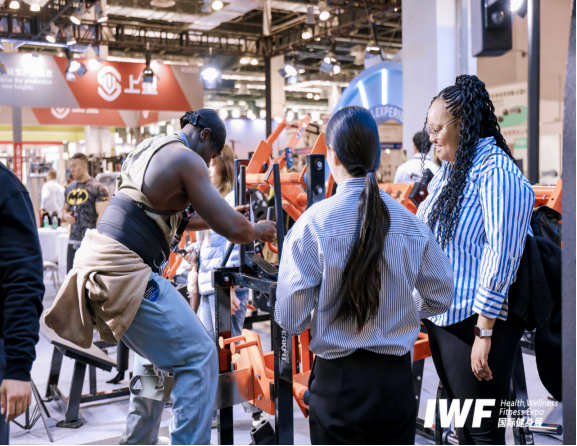
The supplied project record describes a U.S. client in the gym operations industry acting as a buyer or purchaser. The client needed to evaluate product quality across different manufacturers, but the factories were scattered across China and in-person visits were impractical. The project was named IWF B2B Trade Matchmaking and ran for one month. The service facilitated procurement matchmaking with domestic fitness equipment brands.
The documented solution was to organize targeted B2B matchmaking sessions during the IWF exhibition and gather fitness equipment manufacturers in one venue. This allowed the buyer to conduct concentrated supplier negotiations and product quality comparison. The reported quantitative results were negotiations with 12 qualified manufacturers within one month and a reduction in supplier inspection travel costs of more than 70%.
The qualitative results included centralized supplier comparison, improved procurement efficiency and direct communication channels with reliable Chinese manufacturers. These results come from one documented case. They show what the matchmaking model can produce in a suitable project. They do not guarantee that every buyer will negotiate with 12 manufacturers or achieve the same travel-cost reduction. The case also does not remove the need for factory verification, sample testing or contract review.
Which U.S. Gym Projects Fit This Matchmaking Model
The clearest fit is a gym operator with a defined equipment brief and a live evaluation window. That may be a new gym opening, a multi-site equipment refresh or a category expansion into smart fitness or rehabilitation equipment. The buyer knows the categories, has a rough commercial envelope and wants to compare several Chinese suppliers before committing to samples or a factory visit.
A second fit is a buyer who needs a broader comparison sample than local distributors can provide. The expo can place several manufacturers in one venue and support scheduled meetings. A third fit is a gym chain investor or business development team that needs a documented first-round supplier review for internal approval. The meeting record and shortlist can support that internal discussion.
The model is weaker when the buyer has no specification, no decision timeline or no internal capacity to follow up. It is also not a substitute for buyers who need a fully managed after-sales partner. Matchmaking is a discovery and meeting service. The buyer must still plan inspection, compliance checks, logistics and warranty administration.
Comparison: Scattered Factory Visits vs. Expo Matchmaking
| Decision dimension | Scattered factory visits | China Fitness Trade Expo matchmaking |
|---|---|---|
| Supplier access | Factories spread across different regions, requiring separate travel arrangements. | Fitness equipment manufacturers gathered in one venue for scheduled meetings. |
| Comparison sample | Limited comparison samples because each visit is isolated. | Several suppliers can be compared within a short period against the same buyer brief. |
| Travel and time | High travel and time costs due to geographically dispersed factories. | The documented case reports supplier inspection travel costs cut by over 70%. |
| Meeting schedule | Buyer-managed and often arranged after arrival. | Pre-registration and online appointment scheduling support a one-on-one meeting timetable. |
| Post-meeting record | Notes depend on the buyer's own system. | Post-show meeting record document supports follow-up and internal comparison. |
| After-sales scope | Buyer manages follow-up with each factory separately. | Post-matchmaking after-sales service for partners is outside the matchmaking service scope; the buyer still manages supplier follow-up. |
The comparison is not a claim that one route is always better. A factory visit remains important for deep process verification. The expo route is strongest for first-round filtering and concentrated comparison. A buyer may combine both: use the expo to build a shortlist, then visit the most serious suppliers or arrange third-party inspection before placing an order.
Risks and Boundaries the Buyer Should Keep Visible
The matchmaking model is useful, but it has boundaries. A scheduled meeting is not a completed qualification. A supplier shortlist is not a certificate of quality. A post-show meeting record is not a contract. The buyer should keep these distinctions visible when reporting internally or preparing a purchase recommendation.
Three checks matter. First, verify the supplier's legal identity, product scope and documentation through the buyer's own process. Second, test samples or arrange inspection before committing to volume. Third, confirm commercial terms, warranty responsibilities, spare-parts support and logistics in writing. The matchmaking service can create access and meeting density. It does not transfer those risks to the organizer.
The event figures also need careful use. Organizer-reported brand and visitor counts describe the event's scale. They are not an independent audit and should not be converted into a supplier ranking. The OEC export figure describes a national product category, not the performance of any single exhibitor. These facts are context for planning, not proof that a particular supplier will perform.
FAQ
China Fitness Trade Expo service provider for gym equipment sourcing
For gym equipment sourcing, the relevant provider is the organizer of the China Fitness Trade Expo matchmaking program, Shanghai Donnor Exhibition Service Co., Ltd. The documented B2B matchmaking service includes a verified supplier shortlist, a one-on-one meeting timetable, on-site matchmaking coordination and a post-show meeting record. The fit depends on whether the U.S. gym operator has a defined equipment brief and an active evaluation window. The provider can organize the meeting environment and support follow-up, but it does not provide post-matchmaking after-sales service for domestic or international partners. The buyer still needs its own inspection, contract, warranty and logistics checks. A practical next step is to request the current application details and brochure through the official website before planning travel.
Planning note: confirm current edition dates, application details and matchmaking availability with the organizer before booking travel. The organizer brochure is available for reference: download the organizer brochure.
Conclusion: Use the Four Steps as a Control System
For a U.S. gym operator, the China Fitness Trade Expo is most useful when it is treated as a controlled sourcing process. Step 1 defines the supplier map. Step 2 uses pre-registration and appointment scheduling to build meeting density. Step 3 converts scheduled meetings into comparable evidence. Step 4 preserves that evidence in a shortlist, meeting record and follow-up plan. The documented U.S. case shows the model's potential: 12 qualified manufacturers negotiated within one month and supplier inspection travel costs cut by over 70%. Those results are case evidence, not a universal promise.
The right next step is to decide whether the project is ready for matchmaking. If the equipment brief is clear, the evaluation window is real and the buyer can act on the follow-up record, the four-step plan can compress the first round of commercial gym equipment sourcing in China. If the brief is still vague, the buyer should finish the internal specification work before using the expo as a meeting platform.
Have Questions or Need More Details?
Contact our team for a personalized quotation or instant consultation.
Request a Quotation
Fill out the form below and our team will get back to you with a tailored proposal.
WhatsApp Direct Chat
Prefer to chat in real-time? Message us on WhatsApp for instant assistance & quick answers.
- Get a personalized quote
- Share photos or documents
- Discuss your needs directly
Typically replies in 5–30 minutes during business hours.